
Commentary
FEED WILD BIRDS QUALITY SEED
- Monday, December 28, 2020
Article and image from https://thebackyardnaturalist.com/wordpress/
Feed Quality Seed to Wild Birds?
 https://thebackyardnaturalist.com/wordpress/wp-content/uploads/TheBYN-bluejay-peanut-Dapuglet-flickr-200x200.jpg 200w" sizes="(max-width: 150px) 100vw, 150px" style="margin: 0px; padding: 10px; border: 0px; outline: 0px; font-size: 16px; vertical-align: top; background: none; max-width: 575px;">
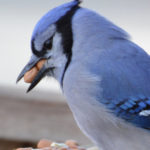
Blue Jay takes two! Photo: DaPuglet,flickr CC. Top: Red-breasted Nuthatch with Black Oil Sunflower seed. Bauschard, flickr CC
Empty Calories are Lost Nourishment!
Wild birds must be efficient eaters to survive. They seek the best nutritional content available and eat their fill quickly.
For wild birds, with their fast-acting metabolism and high calorie requirements, eating anything that doesn’t contain essential protein, fat and carbohydrates is a lost opportunity for nourishment.
Premium quality seed maximizes nutrition.
Never feed bread to wild birds.
Please NEVER feed bread, crackers, popcorn or other human snack food items to birds. They contain zero nutrition, but give birds the artificial feeling that they are full. Wild birds, in particular, Chickadees, can freeze to death overnight with seemingly full stomachs. This includes all wild birds, even ducks and geese who can develop a debilitating condition called “angel wing syndrome” from the lack of nutrition.
What is Best Quality Bird Seed?
Premium bird seed is:
- https://thebackyardnaturalist.com//wordpress/wp-content/uploads/checkbox-bullet.gif") none;">Fresh! Harvested from the most recent season
- https://thebackyardnaturalist.com//wordpress/wp-content/uploads/checkbox-bullet.gif") none;">Free from pesticides
- https://thebackyardnaturalist.com//wordpress/wp-content/uploads/checkbox-bullet.gif") none;">Non-GMO
- https://thebackyardnaturalist.com//wordpress/wp-content/uploads/checkbox-bullet.gif") none;">Stored properly, free from moisture and contaminants
- https://thebackyardnaturalist.com//wordpress/wp-content/uploads/checkbox-bullet.gif") none;">Not bulked out with filler seeds
- https://thebackyardnaturalist.com//wordpress/wp-content/uploads/checkbox-bullet.gif") none;">High oil content
Bargain Seed isn’t Always the Best Deal
Not all bird seed is created equal! When feeding wild birds, think quality and value. There are reasons why that bag of mixed seed is so cheap!
Signs of inferior seed:
- https://thebackyardnaturalist.com//wordpress/wp-content/uploads/checkbox-bullet.gif") none;">Full of irrelevant filler seeds undesirable for the majority of our local wild birds. This waste will end up on the ground beneath your feeders and attract less desirable scavenger birds and worse, rodents!
- https://thebackyardnaturalist.com//wordpress/wp-content/uploads/checkbox-bullet.gif") none;">It’s old, nutrition depleted. Or rancid! Being held over from previous harvest(s) allows time for loss of nutrients and taste.
- https://thebackyardnaturalist.com//wordpress/wp-content/uploads/checkbox-bullet.gif") none;">It’s been stored improperly, exposed to moisture.
- https://thebackyardnaturalist.com//wordpress/wp-content/uploads/checkbox-bullet.gif") none;">Contains unacceptable amount of insect larvae or rodent feces.
- https://thebackyardnaturalist.com//wordpress/wp-content/uploads/checkbox-bullet.gif") none;">It’s made by the same company who makes pesticides!!! RED FLAG!!! (See this most disturbing example on the US Department of Justice website: Scott’s Miracle-Gro ‘Morning Song’ Wild Bird Seed mix, distributed nationally, knowingly violated U.S. Federal Pesticide Law and killed unknown numbers of birds.)
How to Buy and Store Premium Quality Bird Seeds
- Read the labels! Check the dates and make sure all the seed is the most recent season’s fresh crop.
- Scan the list of ingredients in seed blends before you purchase. Premium bird seed will not have fillers, such as:
- Milo
- Red Millet
- Rye
- Wheat
- Corn
- Don’t buy more than your birds can eat in a few months. (We can help you figure out how much you need for your feeders.)
- Store seed in a dry, airtight container, secure from insects or foragers.
How to Tell When Bird Seed Goes Bad
Has something about your bird seed changed since you bought it? If any of the following are present, dispose of it and buy fresh seed.
- Unpleasant smell. It should smell fresh and nutty.
- Stickiness and clumping. This means the seed is damp and in a pre-mold condition.
- Change in color or has a dullness or powdery coating.
- Evidence of insect infestation, i.e. spider-like webbing, cocoons.
Why Clean Feeders Matter
Clean Feeders are Healthy Feeders
A filthy bird feeder is unhealthy. A moldy bird feeder is dangerous! Wild birds are vulnerable to diseases caused by inhaling mold spores, among others. Keeping an eye on the cleanliness of your feeders and cleaning them quickly when needed is vital.
Before you refill a feeder, or top it off with food, remove any debris left by your guests. Make sure any remaining seed is dry and fresh. See below for knowing when bird seed is spoiled and should be replaced.
Keeping your feeder healthy is easy! Clean feeders regularly—at least once a month, more often when feeder traffic is heavy or during prolonged wet or humid weather. Hot soapy water and a good scrub is all it needs! Here’s the basic method:
The Easiest Way to Clean Your Bird Feeder
- Disassemble feeder.
- Soak in hot soapy water and use a brush/scrunge sponge to give all the parts a good scrub.
- Rinse thoroughly; until all soap is gone.
- Let parts dry completely.
- Reassemble feeder and fill it with fresh seed.
Supporting Backyard Birds Will Bring Unlimited Joy
Your conscientious effort to keep your feeders clean and stocked with the best available food could help generations of wild birds stay healthy! Not to mention rewarding you with countless hours of joy! Backyard bird feeders are an excellent opportunity to see birds up close and at their best, all year round.
Don’t Forget Water!
Wait, there’s more! Another very important way you can support wild birds health and well being is by adding a water source to your backyard habitat. Water is critical to bird health during all seasons of the year. See “Wild Birds, Summer and Water” or “Wild Birds, Winter and Water” for more. Maintain your bird bath or fountain by keeping it clean and filled, with the same diligence as your feeders, and you will entice non-seed eaters to your backyard!
WINTER VEGGIES FOR NORTH TEXAS
- Wednesday, December 23, 2020
Read here for
9 Veggies to Grown in North Texas Winters

MYTHS ABOUT GARDENING WITH STYROFOAM
- Wednesday, December 23, 2020
We've all heard that using styrofoam is a good way to stretch soil usage or improve drainage. Not such a good idea according to this article

GROWING HARDY MUMS
- Sunday, October 18, 2020
https://www.thespruce.com/chrysanthemum-flowers-what-are-hardy-mums-2132370

GARDEN DESIGN FALL GARDEN TIPS
- Sunday, October 18, 2020
Fall garden tips :https://www.gardendesign.com/autumn/tips.html

MEXICAN SUNFLOWER/Tithonia rotundifolia
- Thursday, August 06, 2020
Here's a great video about Tithonia rotundifolia and another link about the Tithonia and Monarch butterflies. Enjoy.
https://www.youtube.com/watch?v=gtuBZG71Esc
https://monarchbutterflygarden.net/butterfly-plants/mexican-sunflower/
